Funny Pet Rescue Game
 Pixel Artist
 Happy Kittens Puzzle
 Penguin Cafe
 Animal Connection
 Snakes N Ladders
 Pixel Skate
 BeeLine
 Draw Parking
 Draw Racing
 Soccer Balls
 Happy Fishing
 Crashy Cat
FREE GAMES FOR KIDS ONLINE
Category: Casual | Written by Jason Park | GameBrewCove Editorial | Last updated: April 16, 2026
Editor note: Funny Pet Rescue Game works best when you think like a checklist writer. Every scene contains a few urgent pet-care actions and a few cosmetic cleanup actions, and confusing the two is what makes the level feel slow.
Why It Stands Out
It turns a simple rescue setup into a readable sequence problem with satisfying before-and-after progress.
Best For
Players who like step-by-step care games, visible improvement loops, and gentle scene interaction.
Session Length
5 to 8 minutes for a full rescue flow, with replay value coming from smoother step recognition.
Control Style
Tap or mouse input with scene selection and drag actions; deliberate clicks are more effective than fast ones.
Pet Care Steps That Matter
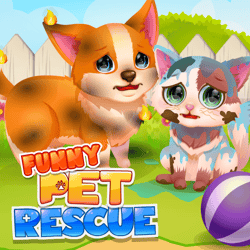
These preview visuals use the default cover art for Funny Pet Rescue Game to reinforce the tone, pacing, and player fit described in the editorial notes above.
Treatment First, Cleanup Second
The game constantly tempts you to fix everything at once, but the cleanest runs start by identifying what improves the pet directly. That means injuries, washing, or medical attention should come before styling, decorating, or environmental cleanup.
Once the pet looks safer, the rest of the tasks become obvious because the game narrows the remaining possibilities.
Order Flow
- Treat the first scene like a diagnosis pass. Your goal is to understand the problem, not to click every highlighted tool immediately.
- If the pet is dirty and injured at the same time, prioritize the action that unlocks the next treatment tool.
- Late-stage cleanup tasks usually reward patience. There is rarely a benefit to rushing those steps.
Best Recovery Habits
- If the scene becomes confusing, ask which tool would make the pet visibly better right now. Start there.
- Use the pet model itself as your guide. New tools usually correspond to whatever still looks unresolved on the animal.
- When optional decorative choices appear, slow down and choose deliberately instead of treating them like timed prompts.
Questions New Players Actually Ask
Q: How do I know which rescue action comes first?
A: Look for the step that changes the pet's condition rather than the background. The first meaningful action is usually the one that unlocks the next set of tools.
Q: Do decorative choices affect progression?
A: Usually they come later and are more about presentation than progression. The rescue portion is driven by treatment and cleanup order.
Q: Why does the middle of the level feel easier than the beginning?
A: Because once the first critical steps are done, the scene contains fewer competing clues and the remaining tasks are easier to read.
Source & Rights
This Funny Pet Rescue Game guide was written by Jason Park for GameBrewCove from direct play observations about task order, scene clarity, and rescue pacing. GameBrewCove does not own the embedded title.